I liked being stuck at home, unable to go into the office. Things felt more streamlined, time was ours. We ate lunch together every day at the table: hot soup and homemade bread. But after a little while, a few months perhaps, I realised that I was starting to forget things.
At first it was just a mild case of scatterbrain.
“When did we watch that episode? Was it yesterday or the day before?”.
“They’re all so shit, it’s hard to remember”. Nothings, things that didn’t matter.
And then one day I looked in the fridge for soup. I had doubled the recipe, had used the big blue pot. “It doesn’t make sense,” I said. I tried to think backwards through the days, but the pictures were too fuzzy, too loose. It was gone, the soup and the memory. I pulled the pot back out and chopped more onions.
Soon I started to forget more things. Interesting conversations dissolved into thin air. Surprise packages turned up at the gate: tights and books I couldn’t remember ordering. “This isn’t like you” Ryan said, which was true. I had always thought of myself as an elephant. “How do you remember that?” my friends said when I’d ace a test we hadn’t bothered to study for. Memory had been my superpower, and also a curse. I remembered the names of people who swore they’d never met me before; I embarrassed myself recalling tiny details of conversations we’d had. I learned to manage it, to hold it in. But now precious memories of our last vacation were curdling in my brain, separating, scrambling. I scrolled through the photos on my phone to try and stretch them back into place.
I wasn’t alone. As the months rolled by, articles about memory loss started to pop up in the newspapers. Studies were being done. A number of these have shown that lockdowns mandated to mitigate the impact of the COVID-19 pandemic lead to significant levels of “distorted time perception”, where the levels of accurate “recall of recent events becomes more like what we associate with distant memory”. Researchers at the University of Aberdeen posited that this phenomenon was the result of disruption to the typical rhythms of life which normally would have been punctuated by events that “help anchor perception of time”. Other studies showed that, under the same circumstances, memory clinic patients being treated for conditions like pre-dementia experienced more rapid cognitive decline.
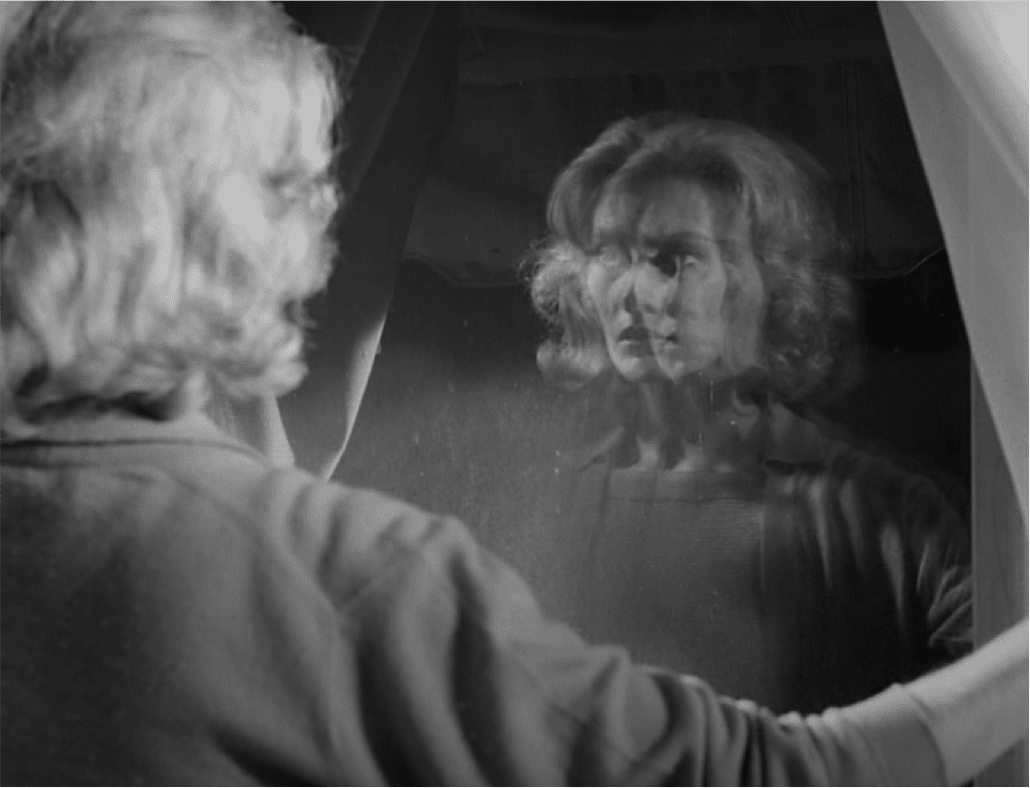
At an online screen studies conference held at the University of Sydney in 2020, film scholars Jodi Brooks and Fincina Hopgood presented a paper titled “Reframing Dementia: Genre and performance in portrayals of dementia on screen”, which highlighted the tendency for dementia-led memory loss to be treated, cinematically, as a kind of “spectacle of catastrophic decline and disappearance”. This memorable paper critiqued this trope, demonstrating that there are other ways (through comedy, for instance) to express and represent this cognitive experience. I reflected on watching Julianne Moore’s virtuoso display of cognitive decline in Still Alice (2014) and felt a wave of shame at having been so swept up by the melodramatic prospect of losing my memories, of disappearing. And yet, I had realised that I was starting to forget things. Only chimpanzees and dolphins and people and elephants have the ability to recognise themselves in a mirror. If I was no longer an elephant, who was I? I stopped writing and worried instead.
I remembered often that I was starting to forget things. I bought an eBook edition of Judith Barrington’s Writing the Memoir hoping for some spark, a hack. Barrington writes succinctly, directly, about the ethics and pitfalls of the memoir form: “Readers don’t want to feel as though they as though they’re eavesdropping on a therapy session”. I felt a wave of shame rising as I imagined the drivel produced in my quest to remember who I am. She suggests exercises of the kind I usually skip, but, now quite desperate, I decided to try one while the pot of soup was bubbling away.
4. Choose a house you once lived in and remember well. Draw a plan of one floor, showing rooms, doors, windows, pieces of furniture, etc. Ask someone else to randomly mark an ‘X’ in one room (or if necessary, close your eyes and do it yourself). Write a detailed description of that room, paying attention to all five senses. Then write something that happened, or didn’t happen, in that room.
I did the exercise in a small notebook. I drew a map of the beach house my grandparents built in the 1950s on a quiet street between the beach towns of Queenscliff and Point Lonsdale. At first I remembered nothing, so I cheated and I looked at an old picture of the lounge room, of the click-clack sofa bed upholstered in mustard vinyl and the small vase of plastic flowers sitting on the coffee table. I sketched the room I remembered from the picture, fixated on the impossible task of achieving proportional accuracy. But in the midst of this childish transcription of space, I found that the doors of this room led to other places: a dining room lit golden by the sun streaming through textured amber glass windows; a laundry with an old round enamel washing machine and a chrome clothes wringer; a double bedroom with a hot pink chenille bedspread and a soft pink glass light shade. I closed my eyes and marked X in the pink room, and when I opened them again I remembered crawling under the bed during games of hide and seek, and the smell of my grandmother’s powder compact in the dresser, and the sound of my father laughing as he told me, in the middle of a game of checkers, that I was conceived “in there”. A switch had flicked. It all came flooding in. Riding a horse for the first time and falling off, in the empty block next door. Sleeping in the weird back bedroom as a young teen so I could read and cry in private. Walking barefoot across the dense buffalo grass to hang swimsuits after coming home from the beach. I shut the notebook and wedged it between two cookbooks on the shelf.
I started thinking about it again today. What Barrington’s apparently simple exercise does is tap into the intricate relation between memory and place: it mirrors the way Ancient Greek mnemonic devices worked to facilitate memory of complex texts by rendering a place you know well as a “memory palace”, leveraging the incredible strength of our spatial memory to facilitate rapid and detailed recall of associated, and less tangible, memories. Dylan Trigg writes in The Memory of Place: A Phenomenology of the Uncanny, that “At any given moment, we are located within a place, be it in the hallways of our universities, the cockpits of airplanes, or lost in the forest at night. Over time, those places define and structure our sense of self, such that being dis-placed can have a dramatic consequence on our experience of who we are, and even leave us with a feeling of being homeless in the world” (1). Sketching the beach house, a place I no longer visit, I remembered a self I had forgotten. That place is a dream house now, but I can visit it again if I can make my memory work.
 memory, work